
Tobacco legislation across European countries has become increasingly strict over the past decade. If you are a traveler, expat, or business owner, understanding these rules is essential to avoid fines or legal trouble. This guide explains everything you need to know about cigarette regulations in Europe, including packaging laws, flavor bans, cross-border allowances, and where Europe is heading next.
Why the European Union Leads Global Tobacco Policy
The European Union is widely considered the world leader when it comes to tobacco control. Many non-EU countries look to Brussels for guidance on smoking laws. The reason is simple: EU member states have agreed to a set of common rules that go far beyond basic health warnings. These regulations cover everything from how cigarettes look to what can be added inside them.
A 2024 report by the European Commission showed that smoking rates have dropped by nearly 15% across member states since the current framework was introduced. This success has encouraged even tougher measures.
Tobacco Products Directive (TPD): The Backbone of EU Rules
The single most important piece of legislation is the Tobacco Products Directive, or TPD. First introduced in 2014 and updated several times since, the TPD applies to all EU countries. It sets minimum standards that every nation must follow, although individual countries can add extra restrictions if they wish.
Key requirements under the current TPD include:
-
Combined health warnings (pictures plus text) covering 65% of the front and back of every pack
-
A ban on characterizing flavors such as menthol, vanilla, or fruit
-
Standardized packaging rules in several countries (plain packs with brand names in a standard font)
-
Tracking and tracing systems to fight illegal trade
-
Ingredient reporting requirements for manufacturers
If you want to understand how these regulations work in practice, take a moment to review this helpful breakdown of different smoking products at our detailed cigarettes explained page. It provides a clear comparison of various tobacco items and how they are treated under the law.
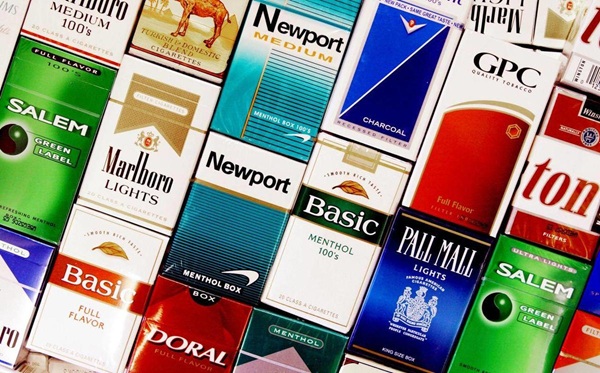
Plain Packaging: Which European Countries Require It?
While the TPD allows plain packaging, it does not force every country to adopt it. However, a growing number of nations have chosen to go further than the directive requires.
The following European countries currently mandate plain (standardized) packaging for cigarettes and rolling tobacco:
-
France (since 2017)
-
United Kingdom (since 2017 – although no longer in the EU, the rules remain in place)
-
Ireland (since 2018)
-
Belgium (since 2021)
-
Netherlands (since 2021)
-
Denmark (since 2022)
-
Spain (phased in during 2023)
-
Germany (introduced plain packaging in 2024)
In plain packaging countries, all packs are the same drab color (usually dark greenish-brown), with the brand name printed in a small, standard font. The goal is to make tobacco products less appealing, especially to younger people.
The Flavor Ban: What Is Still Allowed?
One of the most complained-about rules is the ban on flavors. Since May 2020, EU countries have been required to ban any cigarette or rolling tobacco with a characterizing flavor. This famously included menthol, which had been the most popular flavored option.
But what does the law actually say about “characterizing flavor”? According to the TPD, a product has a characterizing flavor if it has a smell or taste other than tobacco, whether before or during smoking. This includes:
-
Fruit or candy flavors
-
Vanilla or chocolate
-
Menthol and mint
-
Spices or herbs
-
Alcoholic drinks
The only exception is additives that create a tobacco-like smell or taste. In practice, almost all flavored cigarettes have disappeared from the legal EU market.
Cross-Border Rules: What Can You Bring When Traveling?
This is one of the most practical areas of cigarette regulations in Europe. If you travel between EU countries, you can generally bring tobacco products for personal use without paying additional duty, as long as the amount is reasonable. However, “reasonable” is not clearly defined.
As a rough guideline, customs officials often consider these amounts to be for personal use:
-
800 cigarettes
-
400 cigarillos
-
200 cigars
-
1 kilogram of rolling tobacco
If you carry more than these amounts, you may be asked to prove the tobacco is for your own use. Receipts, lack of commercial packaging, and a reasonable travel history can help.
For travelers arriving from outside the EU, the allowances are much smaller. You can typically bring only 200 cigarettes or 250 grams of loose tobacco duty-free. Any more must be declared, and taxes will be due.
Emerging Trends: Age Limits, Display Bans, and Novel Products
Several new trends are shaping the future of cigarette regulations in Europe.
Raising the Minimum Age
While the EU-wide minimum age to buy tobacco is 18, some countries have already raised it. Portugal was the first to increase the age to 20 in 2023. Ireland and the Netherlands are now considering a move to 21.
Point of Sale Display Bans
More than half of EU countries now ban the visible display of tobacco products in shops. This means cigarettes must be kept in closed cabinets or shutters. Customers have to ask specifically for what they want. Countries with full display bans include France, Ireland, the UK, Norway, and Finland.
Novel Tobacco Products
Heated tobacco products (like IQOS) and nicotine pouches are now covered by updated regulations. Heated tobacco must carry similar warnings to cigarettes. Nicotine pouches are regulated differently, but many countries are closing loopholes one by one.
Fines and Penalties for Breaking the Rules
Penalties vary by country, but they can be severe.
-
For individuals: Fines typically range from €100 to €1,000 for possessing or importing illegal tobacco. Repeat offenders may face higher penalties.
-
For businesses: Selling non-compliant cigarettes (flavored, wrong packaging, illegal imports) can result in fines of €10,000 or more, loss of license, and even closure.
Customs seizures have also increased dramatically. In 2025 alone, EU authorities reported confiscating over 300 million illegal cigarettes.
The Future: What Changes Are Coming?
If you follow tobacco policy, you know that cigarette regulations in Europe never stay the same for long. Several major changes are already being discussed.
Smoke-free environments – The EU is pushing to extend smoking bans to outdoor areas like café terraces, parks, and public transport stops.
Higher taxes – Several countries are considering minimum excise duties far above current levels. Germany and France have both announced plans to raise cigarette taxes by at least 10% per year for the next three years.
Endgame strategies – A handful of countries, including Sweden and Finland, are openly discussing “tobacco endgame” policies. These aim to reduce smoking rates to below 5% by 2035.
Synthetic nicotine – As a loophole, some companies try to sell synthetic nicotine products that are not technically derived from tobacco plants. The EU is working to close this gap.
Final Thoughts
Navigating European tobacco laws can feel overwhelming, especially if you live in or travel between multiple countries. However, the basic principles are consistent: plain packaging, large health warnings, no flavors, and strict age limits. Always check local rules before traveling or purchasing tobacco across borders.
If you are a researcher, business owner, or simply a smoker who wants to stay legal, understanding cigarette regulations in Europe is not optional. The rules are enforced more strictly every year, and ignorance is rarely accepted as an excuse. Start with the official TPD documents for your country, and always buy from licensed retailers.