
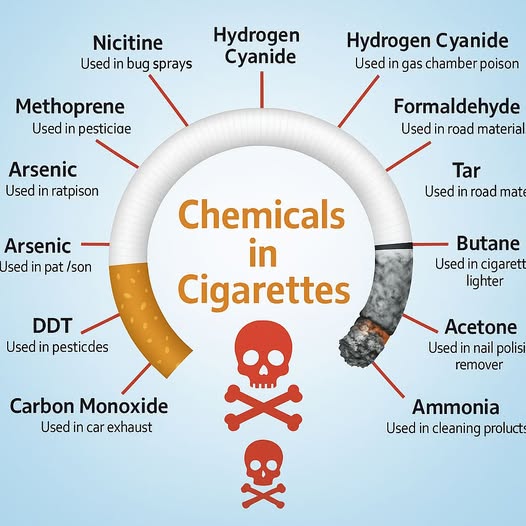
When you see numbers like “10 mg tar” or “0.8 mg nicotine” on a cigarette pack, what do they actually mean? Many smokers and curious readers lack a clear understanding nicotine, tar, and additives – the three most talked-about components in tobacco science. This guide breaks down each element, how they are measured, and why they matter for both health and product design.
By the end, you will see beyond the marketing terms and grasp the real chemistry behind every puff.
What Is Nicotine? – The Alkaloid That Drives Dependence
Nicotine is a natural alkaloid produced in tobacco roots and transported to the leaves. It is the primary psychoactive compound in cigarettes. A clear understanding of nicotine starts with these facts:
-
Absorption: Nicotine is absorbed through lung tissue within seconds, reaching the brain in about 10-20 seconds.
-
Effects: It mimics acetylcholine, a neurotransmitter, triggering dopamine release – creating pleasure and reducing anxiety.
-
Dependence: Regular use leads to upregulation of nicotinic receptors, causing tolerance and withdrawal symptoms.
Measured vs. Delivered Nicotine
Machine-measured nicotine (e.g., 0.5 mg) is not what a smoker receives. Human smoking behavior – puff duration, depth, and frequency – can double or triple actual intake. This discrepancy is crucial for understanding nicotine, tar, and additives in real-world use.
Tar – Not a Substance, but a Residue
Tar is not added to cigarettes. It is a collective term for the thousands of chemical particles that condense from tobacco smoke when it cools. Tar is:
-
A brown, sticky residue
-
Composed of over 4,000 chemicals, many of which are carcinogenic (benzene, formaldehyde, nitrosamines)
-
Measured in milligrams per cigarette via smoking machines
Low-Tar vs. Regular Cigarettes – A Marketing Lesson
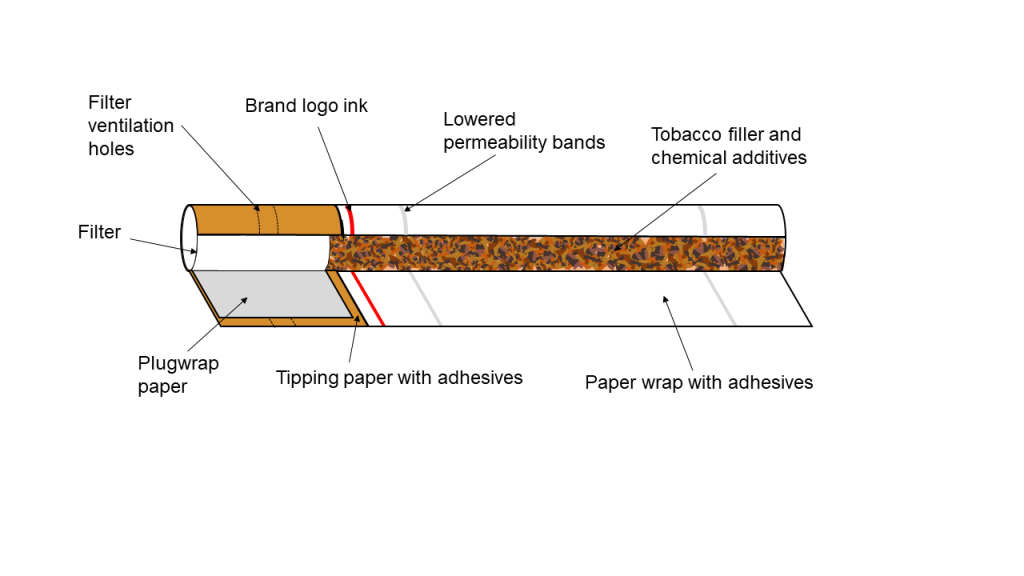
“Light” or “low-tar” cigarettes use ventilated filters that dilute smoke with air. However, smokers often unconsciously:
-
Inhale more deeply
-
Block ventilation holes with lips or fingers
-
Smoke more cigarettes
Thus, tar intake may not decrease. This is one reason regulators in many countries have banned terms like “light” or “mild.”
Additives – Why the Tobacco Industry Uses Hundreds of Them
Contrary to popular belief, modern cigarettes contain more than just tobacco and paper. Additives serve specific engineering purposes. A complete understanding of nicotine, tar, and additives must include the role of these substances.
| Additive Category | Examples | Purpose |
|---|---|---|
| Humectants | Glycerol, propylene glycol | Prevent drying, keep tobacco pliable |
| Sugars | Honey, high-fructose corn syrup | Mask harshness, increase sweetness |
| Flavors | Cocoa, licorice, menthol | Modify taste and aroma |
| Burning regulators | Potassium citrate | Ensure even burn rate |
| Reconstituted tobacco | Tobacco dust + binders | Reduce cost, control nicotine delivery |
The Controversy Around Additives
Additives are approved as “generally recognized as safe” (GRAS) for food, but when burned, they can create new compounds. For example:
-
Sugar combustion produces acetaldehyde (a carcinogen and addictive agent)
-
Menthol can alter nicotine metabolism and receptor binding
Some countries (e.g., Brazil, Canada) have banned certain additives, while the EU requires disclosure of all ingredients.
How These Three Components Interact
You cannot separateunderstanding nicotine, tar, and additives because they influence each other:
-
Additives make smoke less harsh → allowing deeper inhalation → more tar deposited in lungs.
-
Nicotine drives puffing behavior → more smoke volume → more tar and additive byproducts.
-
Tar acts as a carrier for nicotine and additive residues into lung tissue.
This synergy is why reducing only one element (e.g., using a filter) rarely eliminates risk.
What Machine Measurements Don’t Tell You
Government-reported “tar, nicotine, and CO” numbers come from the ISO or FTC smoking regimen (35 mL puff, 2 seconds, 60 seconds between puffs). In reality:
| Variable | Machine Standard | Typical Smoker |
|---|---|---|
| Puff volume | 35 mL | 40-60 mL |
| Puff duration | 2 sec | 1.5-3 sec |
| Vent blocking | No | Often yes |
Thus, a “1 mg tar” cigarette can deliver 3-5 mg tar to a determined smoker.
Health Implications – What the Science Shows
Decades of research confirm:
-
No safe level of cigarette smoke exposure
-
Tar is directly linked to lung cancer, COPD, and emphysema
-
Nicotine drives addiction but is not the primary carcinogen (though it may promote tumor growth)
-
Additives like menthol are associated with increased addiction and harder quitting
For a deeper exploration of how these components fit into global manufacturing and regulation, check out the full composition and standards guide on our site.
Conclusion – Beyond the Pack Numbers
True understanding nicotine, tar, and additives requires looking past simplistic labels. Nicotine hooks the user, tar delivers the damage, and additives engineer the experience. Whether you are a policymaker, a student, or a smoker seeking knowledge, this chemical trio lies at the heart of the modern cigarette.