
For decades, smokers have debated the core differences between filtered and unfiltered tobacco products. While many assume filters make smoking “safer,” the reality is more complex. This deep dive into filter vs non-filter cigarettes examines everything from chemical composition to sensory experience-so you can understand what each style truly delivers.
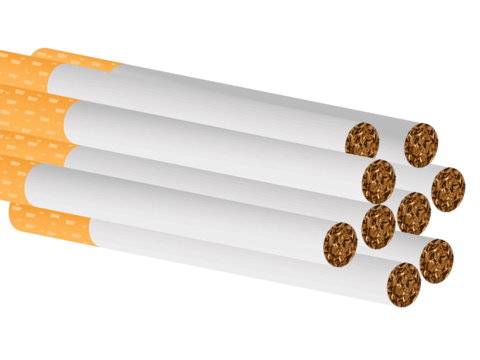
The Hidden Chemistry: Tar & Nicotine Conversion
The most critical distinction in the filter vs non-filter cigarettes debate lies in what you actually inhale. Filters were originally designed to trap tar and particulate matter. However, studies show that smokers often unconsciously adjust their puffing behavior-inhaling deeper or more frequently-to compensate, which can negate some benefits.
-
Filtered cigarettes typically produce lower machine-measured tar (1-15 mg) but may encourage “compensatory smoking.”
-
Non-filter cigarettes deliver higher raw tar (15-25+ mg) with a more direct, unadulterated nicotine hit.
Flavor Profile & Sensory Experience
For purists, the choice between filter vs non-filter cigarettes is about taste purity. Unfiltered versions allow the tobacco’s natural oils, sugars, and combustion byproducts to reach the mouth without absorption by cellulose acetate filters. Connoisseurs often describe:
-
Non-filter: Bold, earthy, spicy, with a pronounced throat hit and lingering aftertaste.
-
Filtered: Muted, smoother, sometimes described as “cleaner,” but lacking complexity.
Many legacy brands (e.g., Camel Unfiltered, Lucky Strike Original) maintain cult followings specifically for their non-filtered richness. For a broader understanding of how tobacco manufacturing affects flavor, check our complete breakdown of cigarette engineering and design.
Health & Risk Perception: What Research Shows
No cigarette is safe. However, focusing on filter vs non-filter cigarettes alone misses the nuance. Epidemiological data from the CDC and WHO indicates:
-
Filtered cigarettes were historically marketed as “milder,” leading some smokers to delay quitting.
-
Non-filter cigarettes are associated with higher rates of certain oral and esophageal cancers due to direct heat and particle contact.
-
Filter ventilation holes (often invisible to the user) dilute smoke with air, potentially reducing perceived harshness but not eliminating toxins like carbon monoxide or heavy metals.
Key takeaway: Switching from non-filter to filtered does not equal harm reduction. The only proven risk reduction comes from cessation.
Power Keywords for Better Rankings: Top Comparisons
To help you navigate, here are the most searched long-tail angles on this topic:
1. Tar Delivery Showdown: Which One Is Higher?
Unfiltered cigarettes consistently rank higher in machine-measured tar. But real-world human inhalation patterns make absolute comparisons tricky.
2. Throat Hit & Satisfaction Index
Non-filter delivers a sharper, more immediate “kick.” Filtered versions feel easier on the throat, which some smokers dislike for lack of feedback.
3. Availability & Modern Market Trends
Since the 1970s, filtered cigarettes dominate global sales (>95%). Non-filter options have become niche products, often premium-priced due to smaller production runs.
4. Additives & Processing
Most filtered cigarettes use expanded tobacco, reconstituted sheet, and burn accelerators. Non-filter brands often emphasize “full leaf” construction-no fillers, just whole tobacco.
Which Smoker Chooses What?
Understanding filter vs non-filter cigarettes ultimately depends on priorities:
-
Choose filtered if: You prefer consistent draw, milder flavor, and mainstream availability.
-
Choose non-filter if: You value intense tobacco character, retro authenticity, and don’t mind higher tar exposure.
For historical context and modern regulatory changes, you might find this complete guide to cigarette categories useful-it covers how manufacturing shifts altered smoker preferences over time.
Final Verdict: Strength vs Smoothness
The old debate over filter vs non-filter cigarettes has no absolute winner-only trade-offs. Non-filter offers undiluted power and flavor but higher particle delivery. Filter provides comfort and lower perceived harshness, often at the cost of taste complexity. As with any tobacco product, awareness is your strongest tool. If you smoke, knowing exactly what enters your lungs matters more than the filter’s presence.